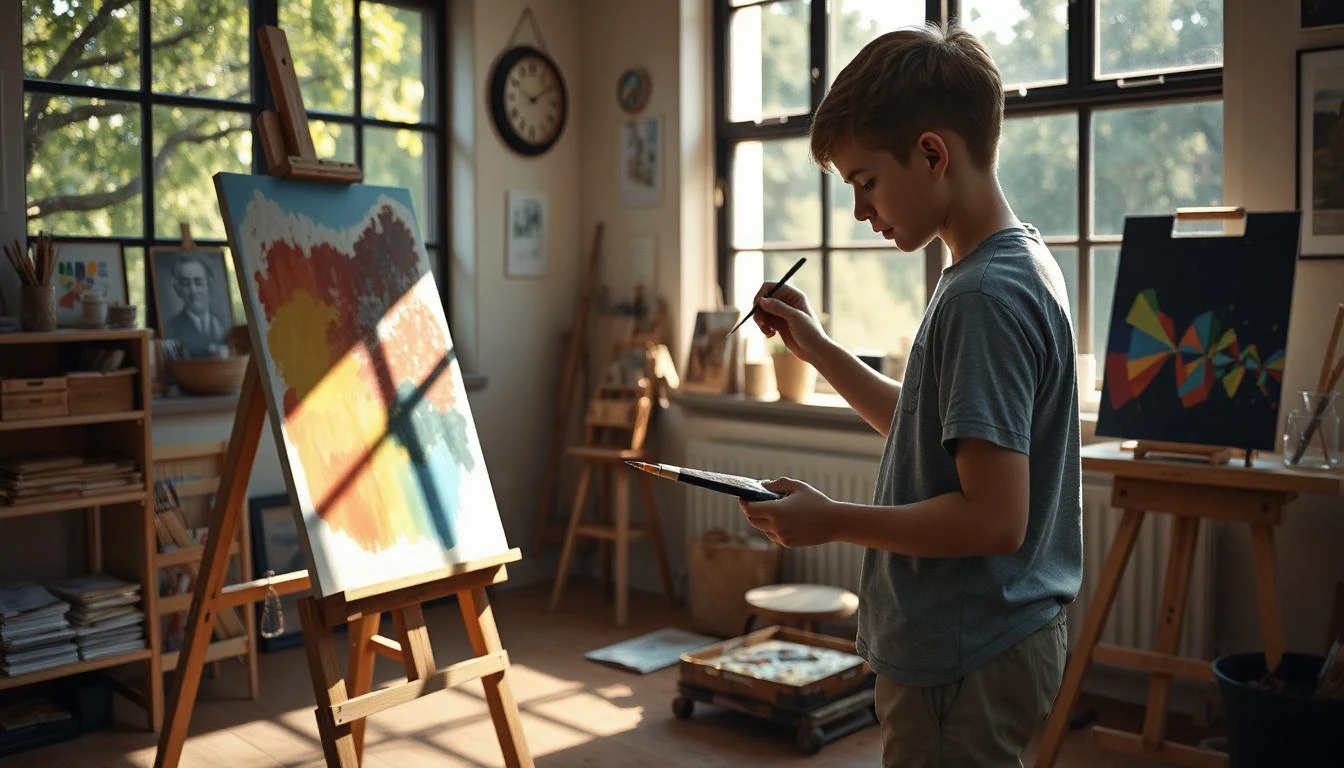
Visual Arts For Creative Expression
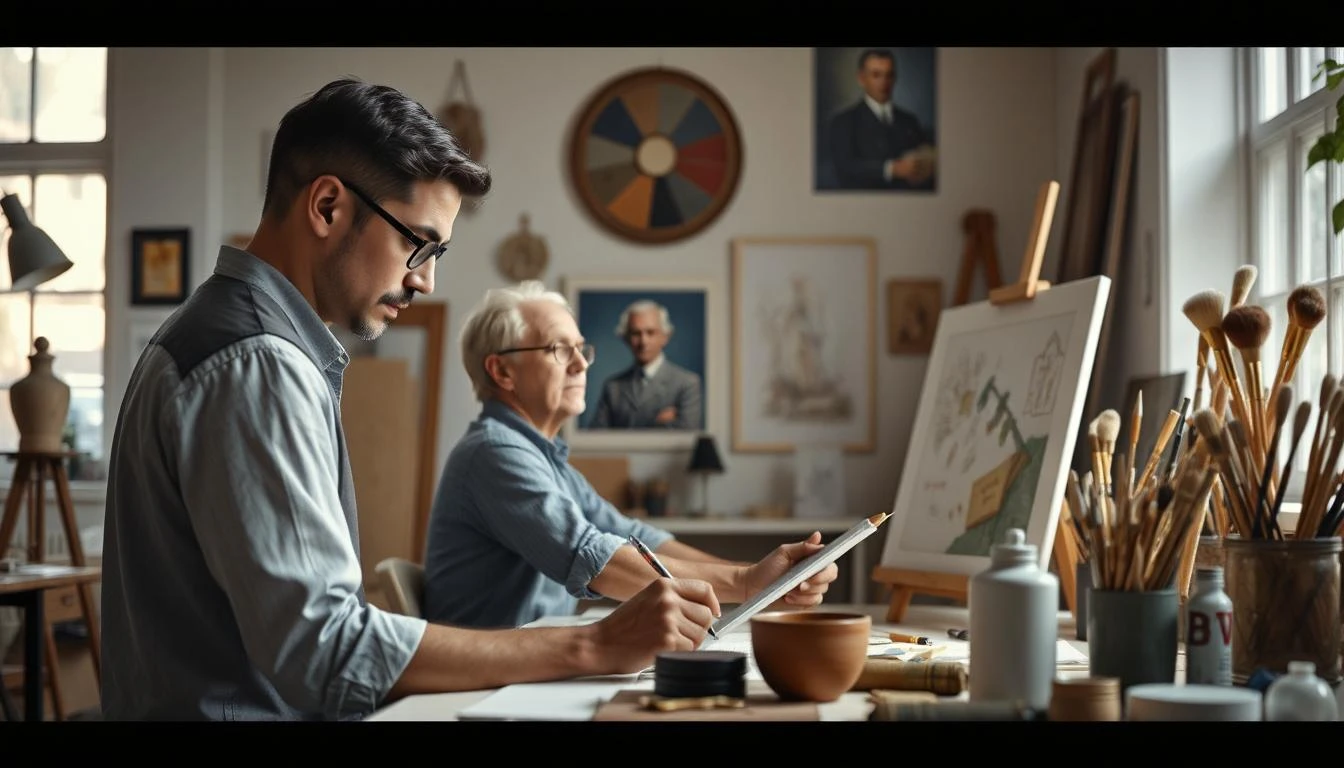
Visual arts continue to evolve alongside technology and global culture, offering endless opportunities for expression and innovation. They remain one of the most flexible and universal forms of communication available today.
As creative awareness grows, perception also changes. The more visual thinking is practiced, the more the world begins to appear layered with meaning and inspiration waiting to be expressed.
Exploring Visual Arts And Creative Expression
Have you ever looked at a painting, illustration, or digital artwork and felt an emotion that words could never fully explain? Visual art has a unique ability to bridge imagination and reality, allowing people to communicate thoughts, feelings, and perspectives in ways that transcend language. From ancient cave paintings to modern digital masterpieces, artistic expression continues to shape how individuals connect with the world around them.
Today, visual arts creative expression plays a more important role than ever in helping people explore identity, share ideas, and cultivate creativity. Whether through traditional painting, photography, graphic design, or mixed media projects, visual art offers an accessible path for self-discovery and meaningful communication that resonates across cultures and generations.
The journey into creativity often begins with curiosity. Through art techniques creative ideas artistic vision, individuals can transform simple observations into compelling visual narratives. As creative industries continue to evolve, understanding the foundations of visual expression becomes increasingly valuable for artists, students, professionals, and anyone seeking new ways to communicate ideas.
Why Visual Arts Remain A Powerful Form Of Communication
Visual art communicates instantly. Long before written language became widespread, people relied on images and symbols to share stories, preserve traditions, and document experiences. Even today, a single image can evoke emotions, spark conversations, and inspire action more effectively than lengthy explanations.
According to renowned artist Pablo Picasso, “Art washes away from the soul the dust of everyday life.” This perspective highlights how visual expression serves not only as communication but also as a means of emotional renewal. Through artwork, creators can convey complex messages that audiences interpret through their own experiences and perspectives.
The Connection Between Creativity And Personal Expression
Creativity allows individuals to transform thoughts into tangible forms. Every brushstroke, sketch, photograph, or digital composition becomes an extension of personal identity. This process helps artists communicate emotions, values, and viewpoints that might otherwise remain unspoken.
Personal expression through art also encourages self-awareness. By experimenting with creative approaches, individuals often discover new aspects of themselves while developing confidence in their unique voice. This connection between creativity and identity is one reason visual arts continue to remain relevant in modern society.
Finding Inspiration Through Different Art Styles
Inspiration can emerge from countless sources, including nature, architecture, culture, technology, and everyday experiences. Exploring diverse artistic styles broadens creative perspectives and introduces new possibilities for expression.
From realism and impressionism to abstract art and contemporary digital illustration, each style offers distinct methods for interpreting the world. Exposure to multiple approaches encourages artists to blend influences and develop original creative directions that reflect their personal interests.
Understanding The World Of Visual Arts
Visual arts encompass a vast landscape of creative disciplines, each offering unique opportunities for expression and innovation. Understanding the elements that shape visual creativity helps artists build stronger foundations while expanding their artistic capabilities.
Modern creative environments also introduce exciting possibilities through emerging technologies, multimedia storytelling, and immersive design experiences. These developments continue to redefine how artistic concepts are created and shared.
How Artists Use Colors Shapes And Concepts
Color serves as one of the most influential tools in visual communication. Different color combinations can evoke specific emotions, establish mood, and guide viewer attention. Warm colors often generate energy and excitement, while cooler tones can create calmness and reflection.
Shapes and visual concepts contribute equally to artistic storytelling. Geometric forms may communicate structure and precision, while organic shapes often suggest movement and spontaneity. When combined thoughtfully, these elements create compelling compositions that engage audiences on multiple levels.
The Role Of Emotions In Creating Artwork
Emotion frequently serves as the driving force behind artistic creation. Many memorable artworks resonate because they capture authentic human experiences such as joy, hope, curiosity, resilience, or contemplation.
Art historian E. H. Gombrich once noted that “There really is no such thing as Art. There are only artists.” This statement emphasizes the deeply personal nature of creative work. Every artwork reflects individual experiences, making emotional authenticity a crucial component of meaningful artistic expression.
Exploring Different Forms Of Visual Creativity
Visual creativity extends far beyond traditional painting and drawing. Photography, sculpture, digital art, animation, illustration, graphic design, and mixed media all provide powerful avenues for creative exploration.
The growing popularity of creative visual storytelling techniques for beginners demonstrates how artists increasingly combine multiple mediums to create immersive experiences. This flexibility allows creators to adapt their methods while reaching diverse audiences through various platforms.
Developing Artistic Skills And Vision
Creative growth does not happen overnight. It develops through consistent practice, experimentation, observation, and reflection. Every artist begins somewhere, and progress often emerges from a willingness to learn and refine techniques over time.
As skills evolve, artists gain greater confidence in translating ideas into impactful visual works. This journey becomes one of continuous discovery rather than a destination with a fixed endpoint.
Practicing Techniques To Improve Creative Abilities
Improvement requires deliberate practice. Sketching regularly, studying composition, exploring color theory, and experimenting with new materials all contribute to artistic development.
Many aspiring creators search for how to improve artistic vision through visual arts practice because they recognize that technical skills and creative thinking grow together. The more artists engage with their craft, the more effectively they can communicate ideas through visual language.
Building A Unique Artistic Identity Over Time
A recognizable artistic identity emerges through experience and exploration. Rather than imitating others indefinitely, artists gradually identify themes, styles, and techniques that reflect their personal interests and perspectives.
Developing this identity requires patience. It often involves embracing experimentation, learning from mistakes, and remaining open to creative evolution. Over time, these experiences contribute to a distinctive artistic voice that audiences can recognize and appreciate.
Turning Ideas Into Meaningful Visual Works
Every artwork begins as an idea. Transforming that idea into a meaningful visual creation requires planning, refinement, and execution. Artists frequently use sketches, mood boards, references, and conceptual frameworks to organize their thoughts before beginning a project.
The process becomes even more rewarding when creators focus on communicating authentic messages. Whether producing illustrations, digital designs, or traditional artworks, meaningful visual works often leave lasting impressions because they connect with viewers on emotional and intellectual levels.
Discover More Through Visual Arts
Visual arts continue to offer endless opportunities for growth, communication, and self-discovery. As creative tools and platforms evolve, individuals have more ways than ever to explore their imagination and share their perspectives with the world.
The most remarkable aspect of artistic expression is that there is always something new to learn, create, or experience. A simple sketch can become the beginning of a transformative creative journey, while an unexpected source of inspiration can lead to entirely new artistic directions. The future of visual creativity belongs to those who remain curious, willing to experiment, and eager to express ideas through meaningful visual experiences.
If you want to deepen your creative potential, start creating today and allow your imagination to guide the next masterpiece.