Art Culture Through History And Society
Art has always been a silent language of humanity, speaking through colors, forms, movements, and symbols that transcend time. It reflects emotions that words often fail to capture, while simultaneously documenting how civilizations evolve across centuries. From ancient cave engravings to contemporary digital installations, art continues to shape how humans understand existence, identity, and meaning.
The discussion of art culture history society reveals a deep interconnected system where creativity is not separate from life but embedded within it, influencing values, traditions, and collective memory across generations.
Exploring Art Culture Across Generations
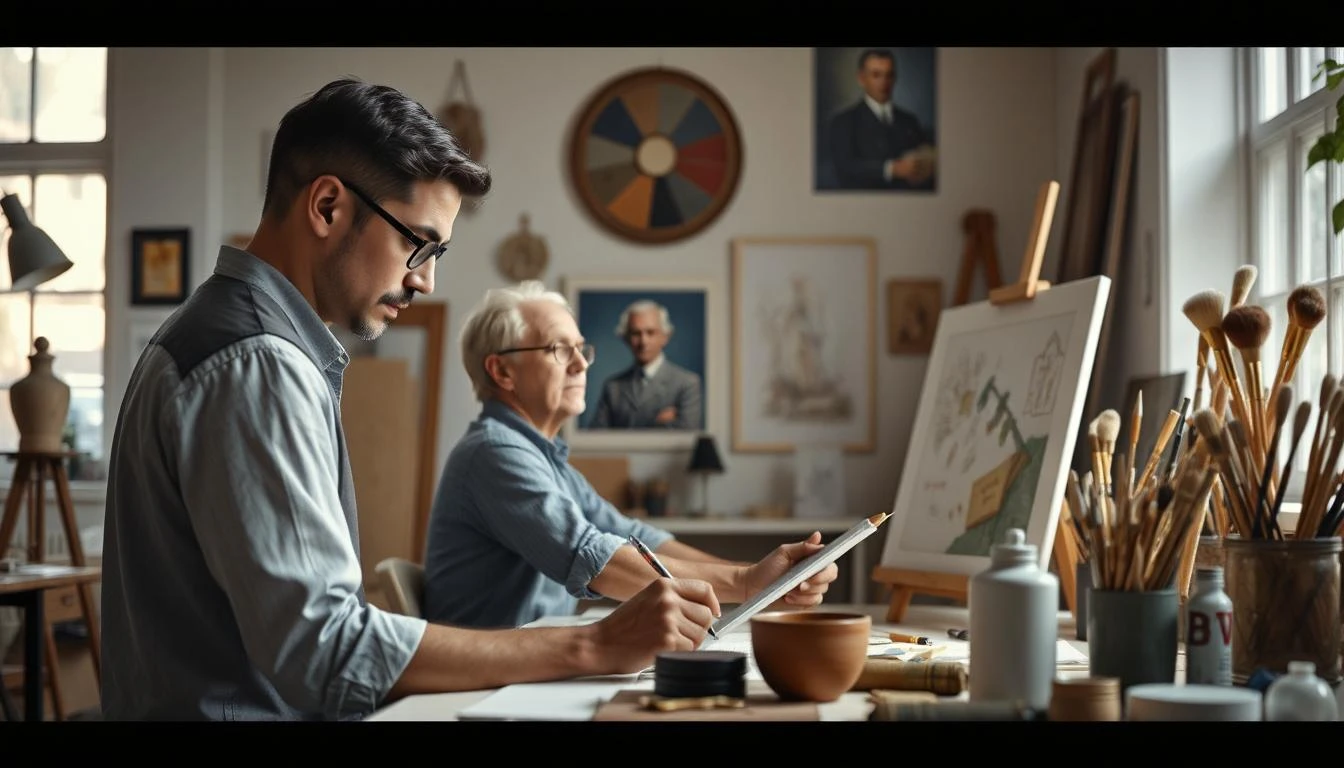
Art is not static, it moves, shifts, and transforms alongside humanity itself. Across generations, it becomes a living archive of human thought, carrying emotional imprints from one era to another. When you look at art closely, you are not only seeing visuals; you are witnessing a conversation between past and present that never truly ends.
The evolution of cultural heritage, artistic movements, and creative traditions shows how societies continuously redefine themselves through expression, innovation, and storytelling.
Why art reflects human experiences and history
Art preserves fragments of human life that might otherwise fade into silence. Ancient civilizations used visual storytelling to record victories, rituals, and beliefs long before written language became widespread. These early expressions still speak to modern audiences in ways that feel surprisingly familiar.
According to art historian Ernst Gombrich, “The history of art is the history of seeing,” emphasizing how perception itself evolves through creative expression. This perspective highlights how deeply art is tied to human experience, memory, and interpretation.
The connection between art and society
Society shapes art, and art reshapes society in return. Social movements, political shifts, and cultural transformations often become catalysts for new artistic expressions. In return, art challenges norms and encourages societies to reflect on their values.
Public murals, protest art, and digital storytelling are modern examples of how creativity becomes a voice for collective identity and change. Art is not only observed, it participates in society’s evolution.
Understanding creativity across different cultures
Creativity varies widely across cultures, shaped by geography, tradition, and belief systems. What defines beauty or meaning in one culture may differ in another, yet all forms contribute to a shared global narrative.
From Japanese minimalism to African symbolic patterns and European classical traditions, artistic diversity demonstrates that creativity has no single definition, it is a universal language expressed in countless dialects.
Discovering The Evolution Of Art Culture
Art evolves as humanity evolves. Each era introduces new materials, techniques, and philosophies that reshape how creativity is expressed. Yet, even as innovation grows, historical influence remains embedded in modern works.
The presence of cultural heritage, artistic movements, and creative traditions ensures that art remains a continuous dialogue between past, present, and future.
How artistic movements shape communities
Artistic movements often emerge during moments of social transformation. They reflect collective emotions, whether it is optimism, resistance, or reimagination of society. Movements such as Renaissance humanism or Modernism reshaped not only art but also intellectual thought and cultural identity.
As cultural theorist John Berger noted, “Seeing comes before words,” reminding us that visual culture plays a foundational role in shaping how communities interpret reality.
The role of traditions in preserving creativity
Traditions act as anchors in an ever-changing creative world. They preserve techniques, rituals, and symbolic meanings that might otherwise disappear under modern influence. These inherited practices ensure cultural continuity.
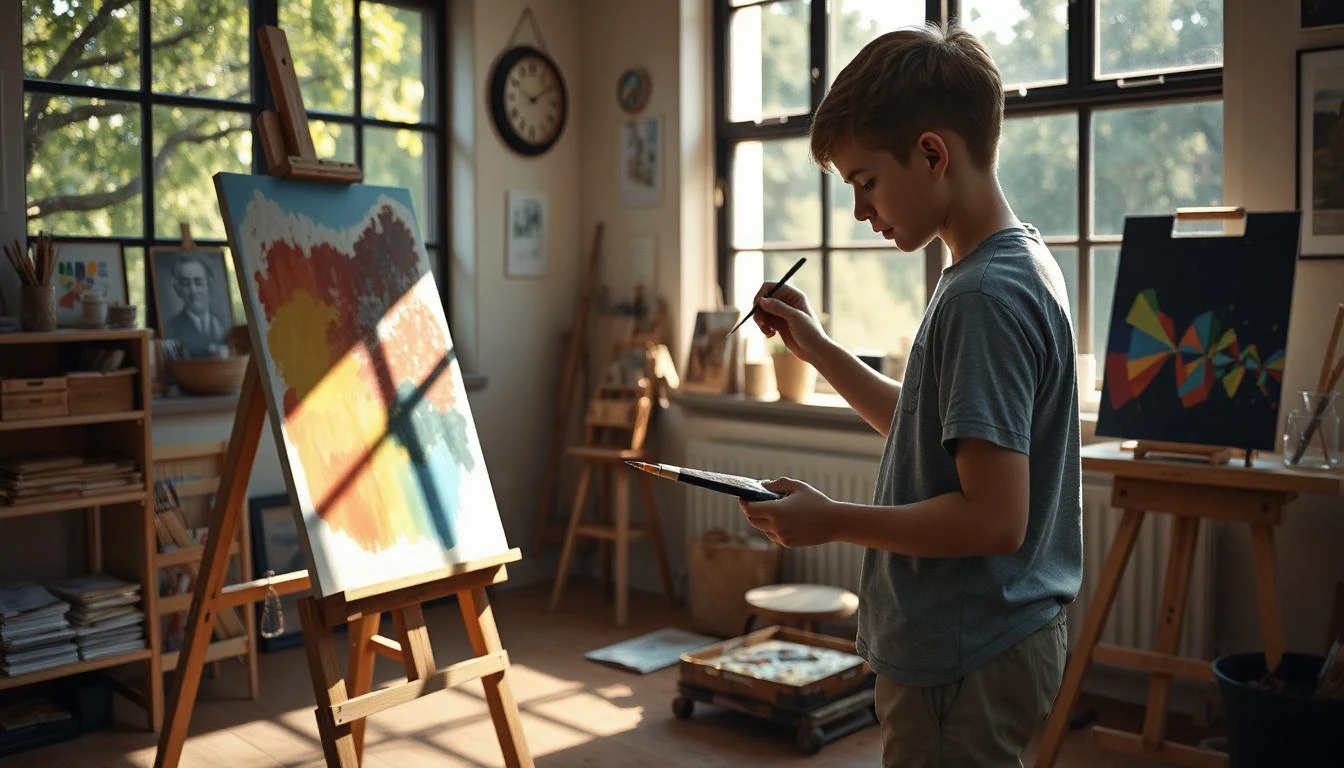
At the same time, traditions inspire reinterpretation. Contemporary artists often blend ancestral techniques with modern aesthetics, creating hybrid forms that keep heritage alive while remaining relevant.
Exploring changes in art through time
Technological advancement has continuously reshaped artistic expression. Photography redefined realism, digital tools expanded creative boundaries, and today artificial intelligence introduces entirely new artistic possibilities.
Search trends such as how art culture evolved through history and society, impact of technology on artistic expression, and global digital art transformation reflect growing curiosity about how creativity adapts in a fast-changing world.
Appreciating Art In Modern Society
Art today is everywhere, embedded in media, architecture, branding, and even digital communication. It shapes how people perceive identity, culture, and global interaction in subtle yet powerful ways.
The continued relevance of cultural heritage, artistic movements, and creative traditions proves that art remains essential in understanding both individual and collective human experiences.
How art influences identity and communication
Art serves as a bridge between personal identity and collective understanding. Through visual symbols, storytelling, and design, individuals express who they are and what they value.
In digital spaces, this expression becomes even more dynamic. Social media platforms, virtual galleries, and global creative communities allow ideas to travel instantly across borders, reshaping communication itself.
Supporting cultural expression through creativity
Creative expression thrives when supported by education, infrastructure, and open cultural exchange. Societies that invest in art often experience stronger cultural cohesion and innovation.
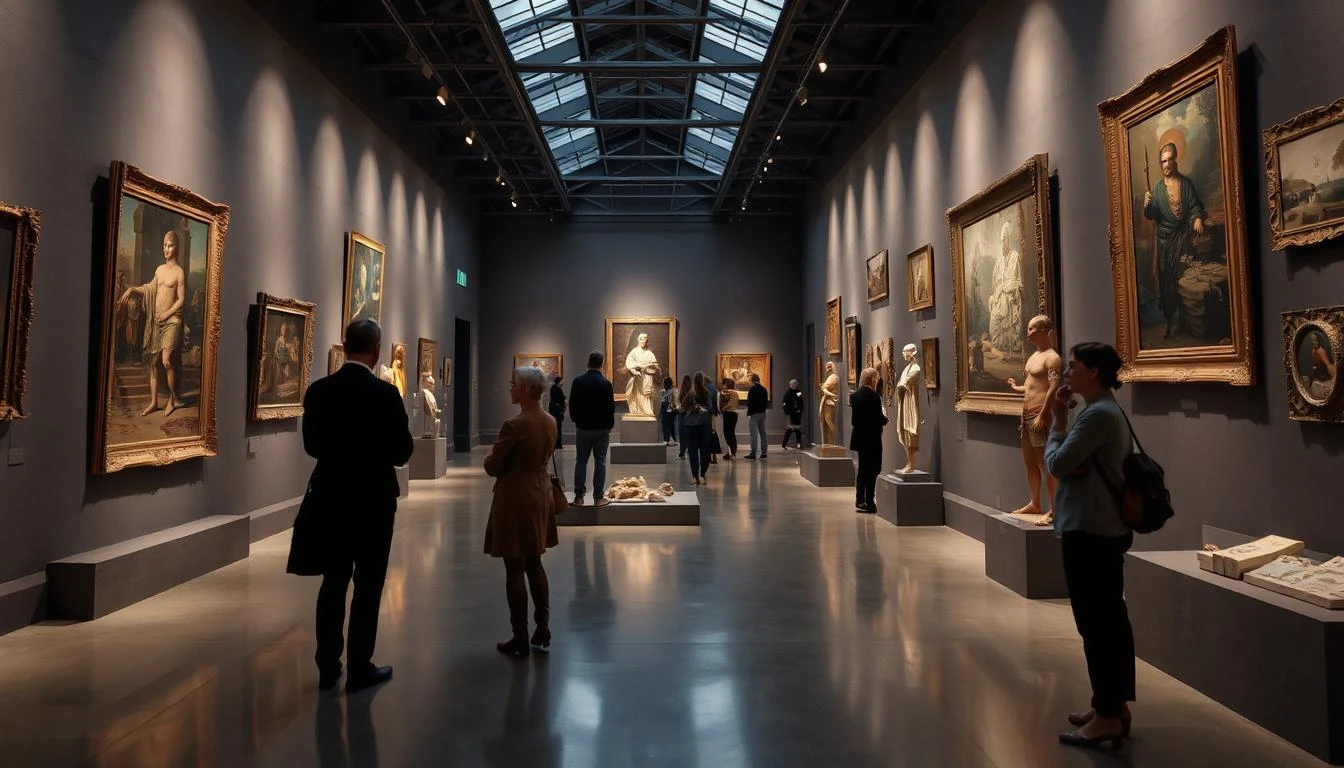
Museums, creative industries, and cultural programs play a vital role in preserving diversity while encouraging new forms of artistic exploration.
Finding inspiration from artistic heritage
Artistic heritage offers a deep reservoir of inspiration for modern creators. Historical works provide insight into technique, symbolism, and cultural meaning that remain relevant today.
Many contemporary artists reinterpret traditional forms, blending old and new into innovative expressions that connect generations through shared visual language.
As cultural historian Edward Said once reflected, “Culture is a way of life, not just a collection of artifacts,” emphasizing how deeply creativity is woven into human existence.
Experience The Beauty Of Art Culture
Art is not merely something to observe, it is something to experience, question, and feel. It connects generations, preserves memory, and opens pathways for understanding humanity beyond language and geography.
Through the lens of art culture history society, it becomes clear that creativity is both a reflection of the past and a blueprint for the future. Every artistic expression adds another layer to the ongoing story of human civilization, inviting us to look closer, think deeper, and engage more openly with the world around us.
Take a moment to observe the creative world around you, you might find that art has been shaping your perspective all along, in ways you never consciously noticed.